High Silica Fiberglass for Continuous Service up to 1000 C
High silica fiberglass is produced by leaching the non-siliceous components out of E glass, which raises the silica content above 96 percent. The result keeps the handling characteristics of glass but adds far higher temperature resistance and better dielectric stability at elevated temperatures. It is the standard reinforcement where E glass would soften or lose strength.
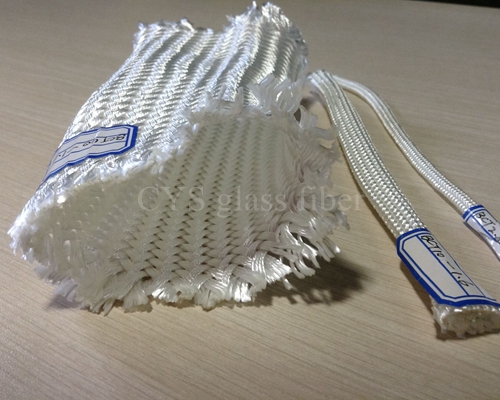
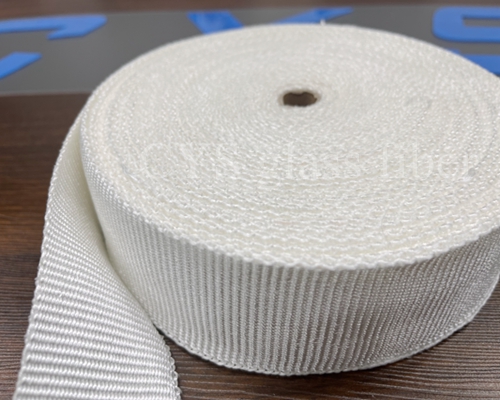
Typical forms are roving, yarn, woven fabric, tape, sleeve, rope and needle mat. Continuous service temperature is commonly quoted at about 1000 C, with short excursions higher. Because the material is inorganic, it does not burn or give off smoke in fire conditions, which is why it is common in thermal insulation and fire protection assemblies.
Typical specification range
| Property | Value |
|---|---|
| SiO2 content | >= 96 % |
| Continuous service temperature | about 1000 C |
| Softening point | about 1600 C |
| Loss on ignition | <= 3 % |
| Dielectric constant | stable at high temperature |
| Moisture regain | very low |
Available forms
- Roving and yarn - wrapping, braiding, sewing thread
- Woven fabric and tape - thermal barriers, welding protection
- Sleeve and rope - cable and hose protection, sealing
- Chopped strand and needle mat - insulation and filtration
Where it is used
High temperature insulation, fire protection blankets, welding curtains, expansion joints, rocket and aerospace thermal parts, furnace seals and electrical insulation that must survive heat.
Related products: high silica roving, high silica fabric, high silica chopped strand, silica wick and rope.
Tell us the working temperature and the form you need, and we will suggest the right product and thickness.


.jpg)